
There are darknesses in life and there are lights, and you are one of the lights, the light of all lights.
Author: Bram Stoker
Genre: Classic, Gothic, Horror
With his book Dracula, published in 1897, Bram Stoker has set a benchmark for all the future vampire stories. His work has inspired countless work involving vampires & werewolf, in all kinds of media. Still, many of the contemporary literature yearns to reach the same standard and more often than not fail to do so. The book, though written more than 120 years ago, remains favorite among readers, and the reason is, it’s incredible characters and a timeless villain.
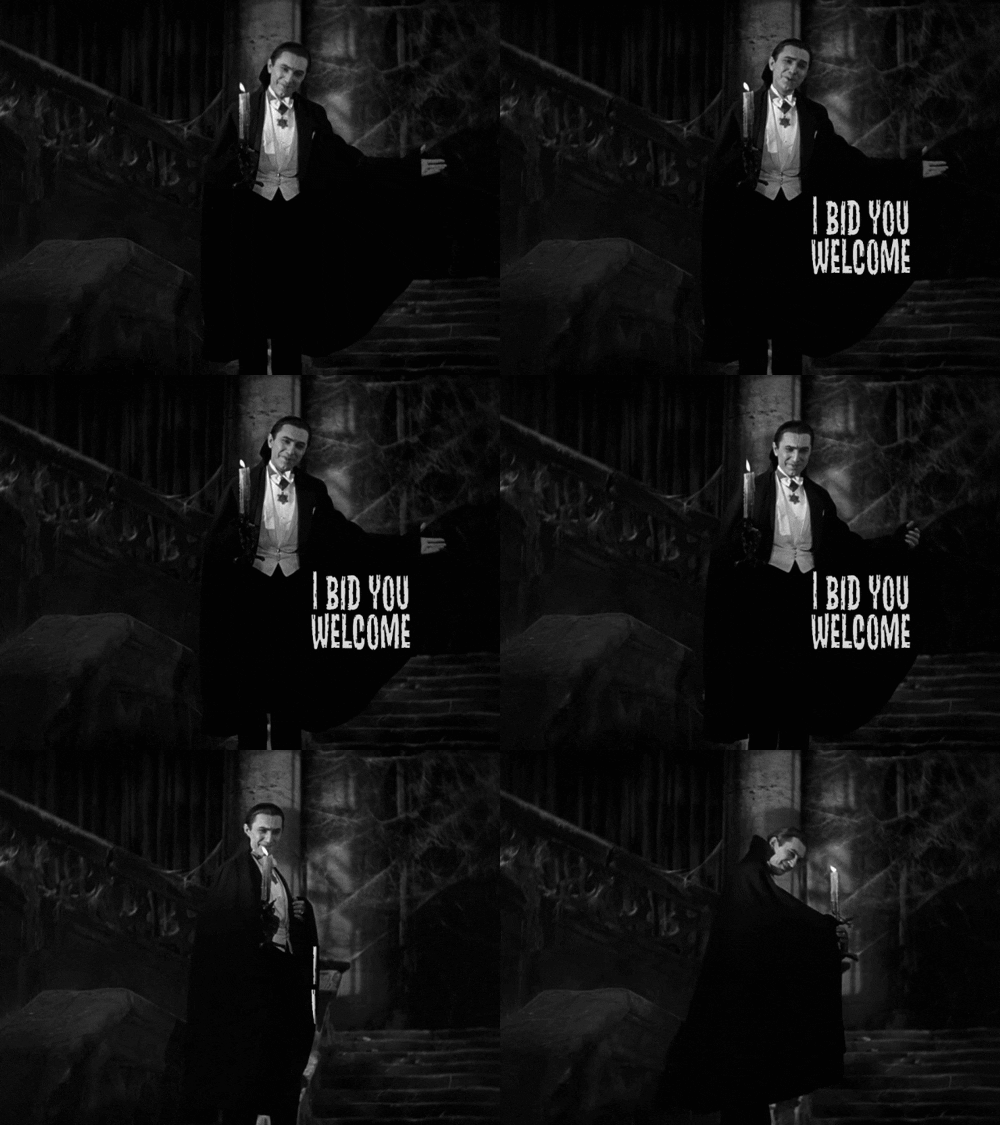
The story starts when Count Dracula invites a young lawyer Johnathan Harker to his castle in Transylvania, to finalize a land deal. Johnathan slowly discovers Dracula is no ordinary man and possesses supernatural powers, and he has become a prisoner in the castle. Johnathan discovers that Dracula’s diabolical plan is about moving to London to spread his reign of terror. Meanwhile, Lucy, a friend of Johnathan’s fiance Mina, tells her that three gentlemen have approached her for marriage. John Seward(a doctor), Quincy Morris and Arthur Holmwood, and she has accepted Arthur’s proposal. Later, Lucy falls ill and to save her life John invites his friend professor Van Helsing. After trying tirelessly, they fail to save her.
Meanwhile, Johnathan miraculously comes back with a horrible fever, and Mina decides to consult with Van Helsing. Van Helsing then gets his hand on the journal maintained by Johnathan, while he was in Dracula’s castle. After reading, he decides he has to put an end to Dracula. Johnathan, Mina, Arthur, John, and Quincy aid him in this impossible task.
There are several things which stood out in this classic. The book presented several themes, let me focus on some, which impressed me most:
The Approach: The book was published in 1897. It was the time when there was a major paradigm shift happening all over the world. Science and technology were booming. People started questioning things around them. They were beginning to make a logical deduction based on facts. Just a few years ago, Sherlock Holmes was published and became a global phenomenon. It reflected that readers had started to appreciate scientific approaches in literature as well. Stoker’s story adapts this new paradigm quite well. There were several instances where this approach is quite evident. Firstly, the structure of the book is a chronological collection of experiences of its central characters, in the form of either their journals, letters, or memorandums. So, everyone is telling their own stories, and we, as readers, are consuming it as a whole. Another e.g., is how the characters in the story approach towards a problem, like when Dracula, a supernatural being purchases land in London as a legal transaction. Or when our gang is making a plan to defeat Dracula. They try to gather all the information that is available on him. It could be a myth or lore, or experiences of the people who interacted with Dracula, and then they make deductions based on this data. The book reflects upon contemporary thinking, and this was the biggest takeaway for me.
The treatment of Mina Murray’s character: This was quite an intriguing aspect of the book. The 1800s was not a very empowering time for women across the world, though the things were improving slowly, especially in Europe. And, the same reflects in the character treatment of Mina. She plays a pivotal role in defeating Dracula. She is the one who single-handedly saves the whole gang; she’s the one who makes deduces the whereabouts of Dracula based on the information. But at the same time, Stoker also keeps mentioning that she’s doing all this excellent work despite being a woman. My guess is he’s trying to play safe by uplifting the character of Mina from a damsel in distress to a woman of action, but also keeping up with the norms of the society. I might be wrong here.
Dracula and Van Helsing: I think Count Dracula might be the most adapted fictional character. We have already seen countless movies, books, and plays, etc. with either Dracula or a variation of him as a character. And, of course, Van Helsing is also not any less famous. He has elevated from a middle-age Prof. Van Helsing to a handsome demon hunter, cowboyish, badass, ladies man Prof. Van Helsing. One of the most significant contributing factors would be how much less information we have on these two characters. Stoker leaves more than enough mystery around them, to be explored later by him and others. And, yet whatever information we have available in the is enough to indulge and care about them.
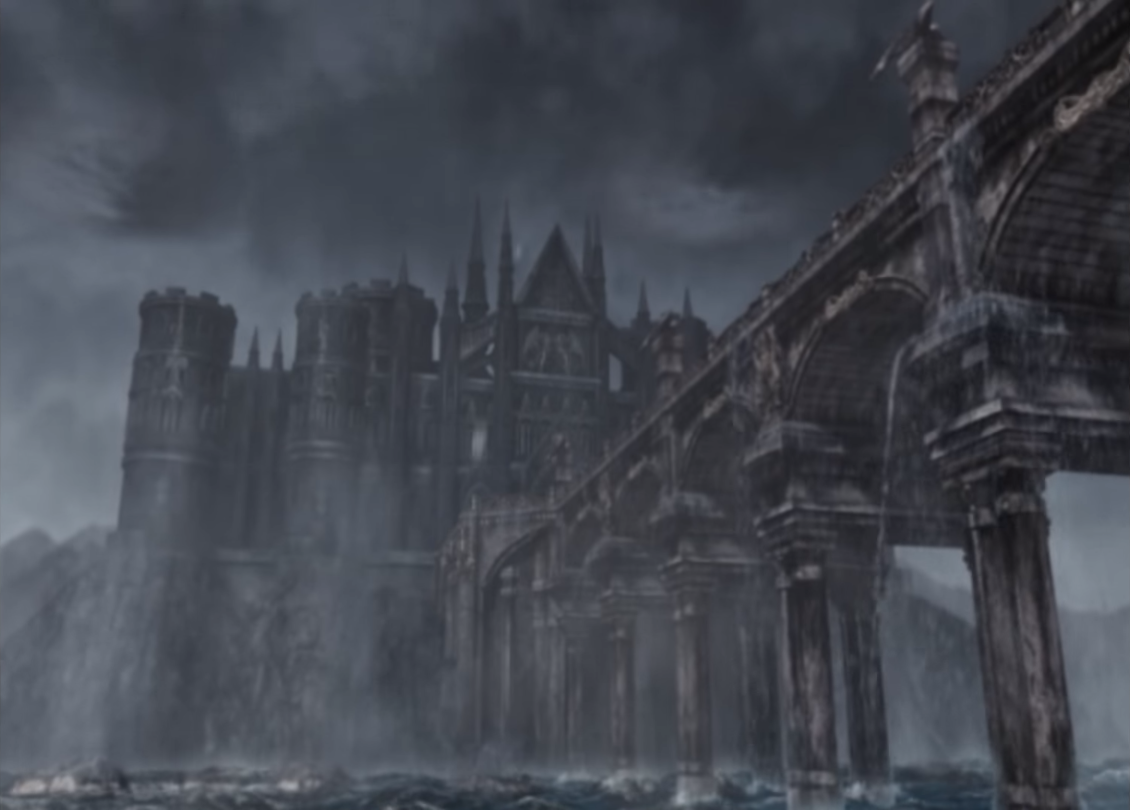
Apart from these, the book excels in other departments as well. There is nothing to complain about the pacing. The story moves at a brisk pace, taking an appropriate amount of time on building characters and setting. And while we are talking about the setting, did I mention what a fantastic job Stoker has done with creating a hauntingly beautiful world? Stoker’s description of the castle is very much Gothic and paints the memorable picture that we all are familiar with. The first chapter opens with a beautiful view of the English countryside and very subtlety changes to an eerie and gloomy estate of Dracula.
Dracula is one of the classics which will never be forgotten because Dracula will never be forgotten. We’ll keep seeing him in all kinds of media, and he’ll keep on carrying Stoker’s legacy.


 wordsofbookradiant